Skip to content
Disaster Recovery & Business Continuity
Achieve high performance, reliability, and customer satisfaction with precision-engineered quality assurance solutions.




Growth-Ready Continuity
Protect your operations and prepare for tomorrow with scalable recovery solutions that support long-term business continuity and growth.
Why Choose Flynaut for Disaster Recovery & Business Continuity?
Establish strong systems that ensure operational stability, rapid recovery, and uninterrupted growth during disruptions or unexpected challenges.


Zero or minimal downtime and full productivity
Protect the most important business processes in case of any kind of unexpected circumstances
The recovery strategy must cover the entire process
Receive backup and recovery plan custom to your specific infrastructure and business model
Cloud-based and hybrid solutions
The efficiency advantage comes in the form of both local and cloud environments being able to host scalable and flexible backups
Legal protection
Become compliant with data protection laws and the industry’s requirements while reducing the risks of financial or legal penalties in any situation

Core of Continuity
The Core of Continuity ensures your business stays resilient during crises by safeguarding essential processes. It focuses on implementing proactive strategies that prevent disruption and maintain smooth operations. By preparing for uncertainties, organizations can reduce downtime and protect productivity. This approach helps businesses remain stable and reliable under any circumstance.

Secure Recovery Framework
The Secure Recovery Framework helps organizations minimize downtime and safeguard valuable assets with a reliable recovery plan. It is built to strengthen operational resilience and ensure business continuity during disruptions. By implementing this framework, companies can quickly recover from setbacks while protecting critical data and resources. This approach enhances preparedness and supports long-term stability.
Case Studies
Flynaut has been the choice of hundreds of forward-thinking companies worldwide since 2004. From startups to Fortune 500 brands.
Achievement & Awards







Our Blogs
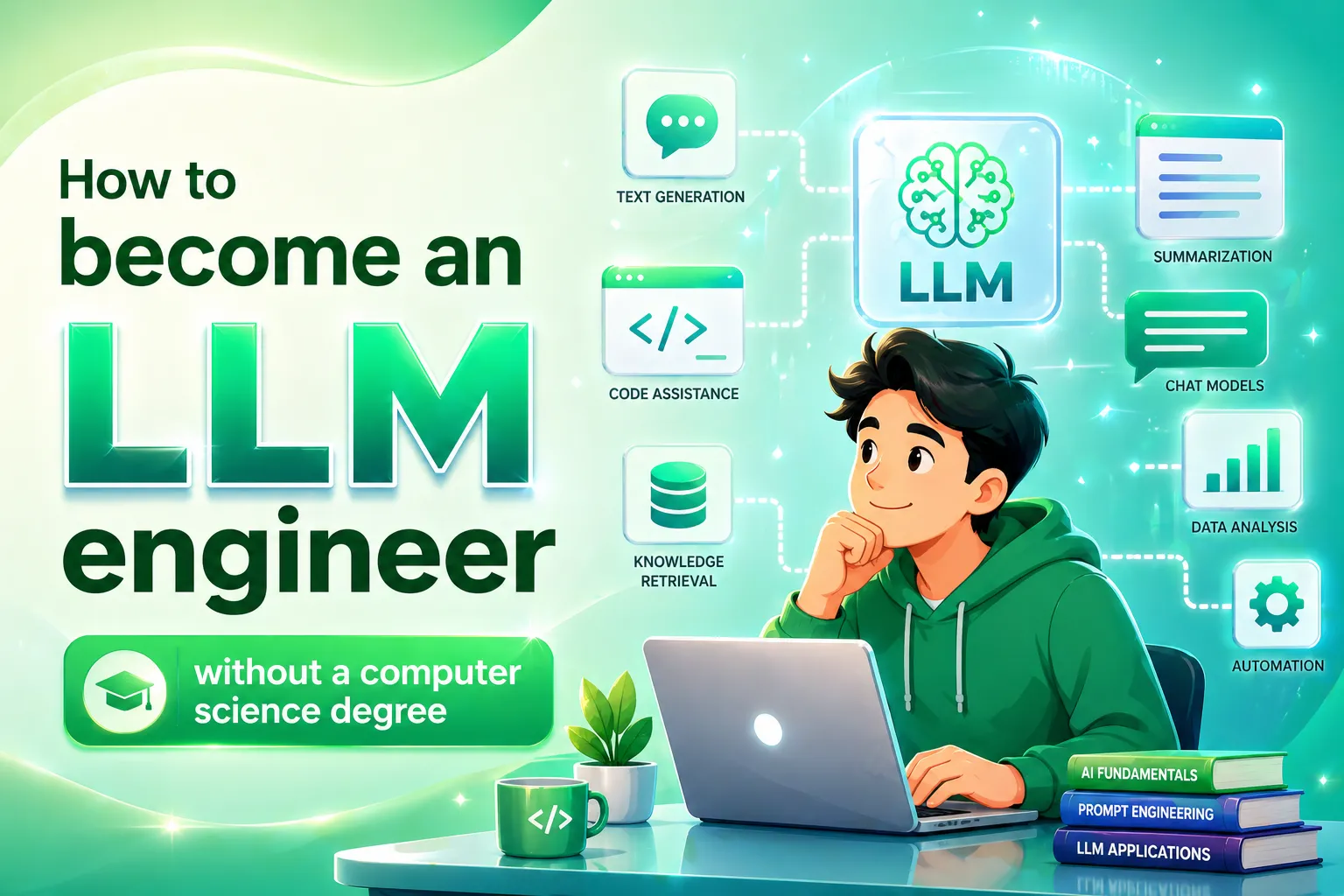
How to become an LLM engineer without a computer science degree
No CS degree? No bootcamp? No problem. The AI industry is experiencing one of the most dramatic hiring booms in […]
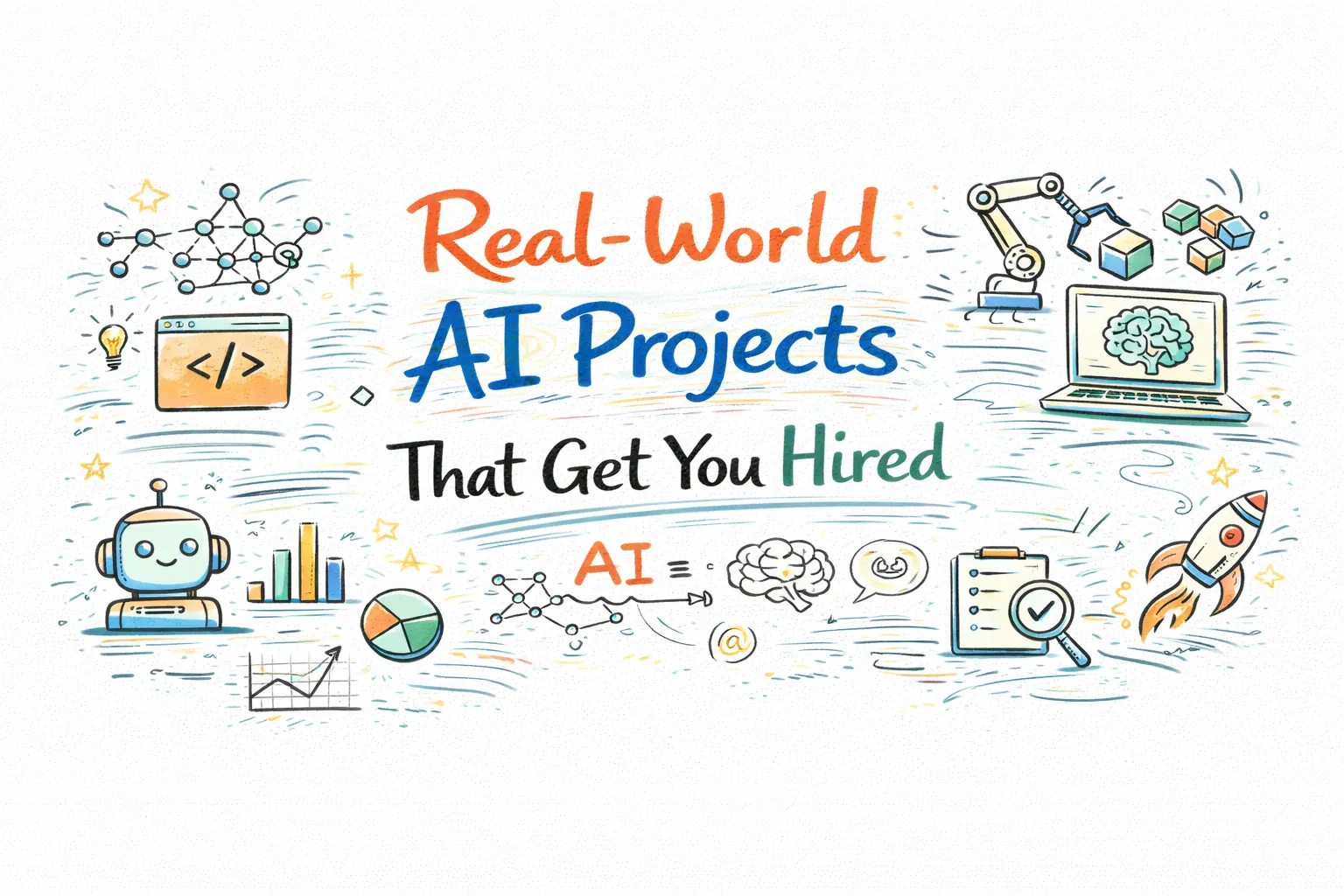
Real-World AI Projects That Get You Hired
Real-World AI Projects That Get You Hired 50 Expanded AI Project Ideas with Tools, Datasets, and Career Impact “Recruiters don’t […]
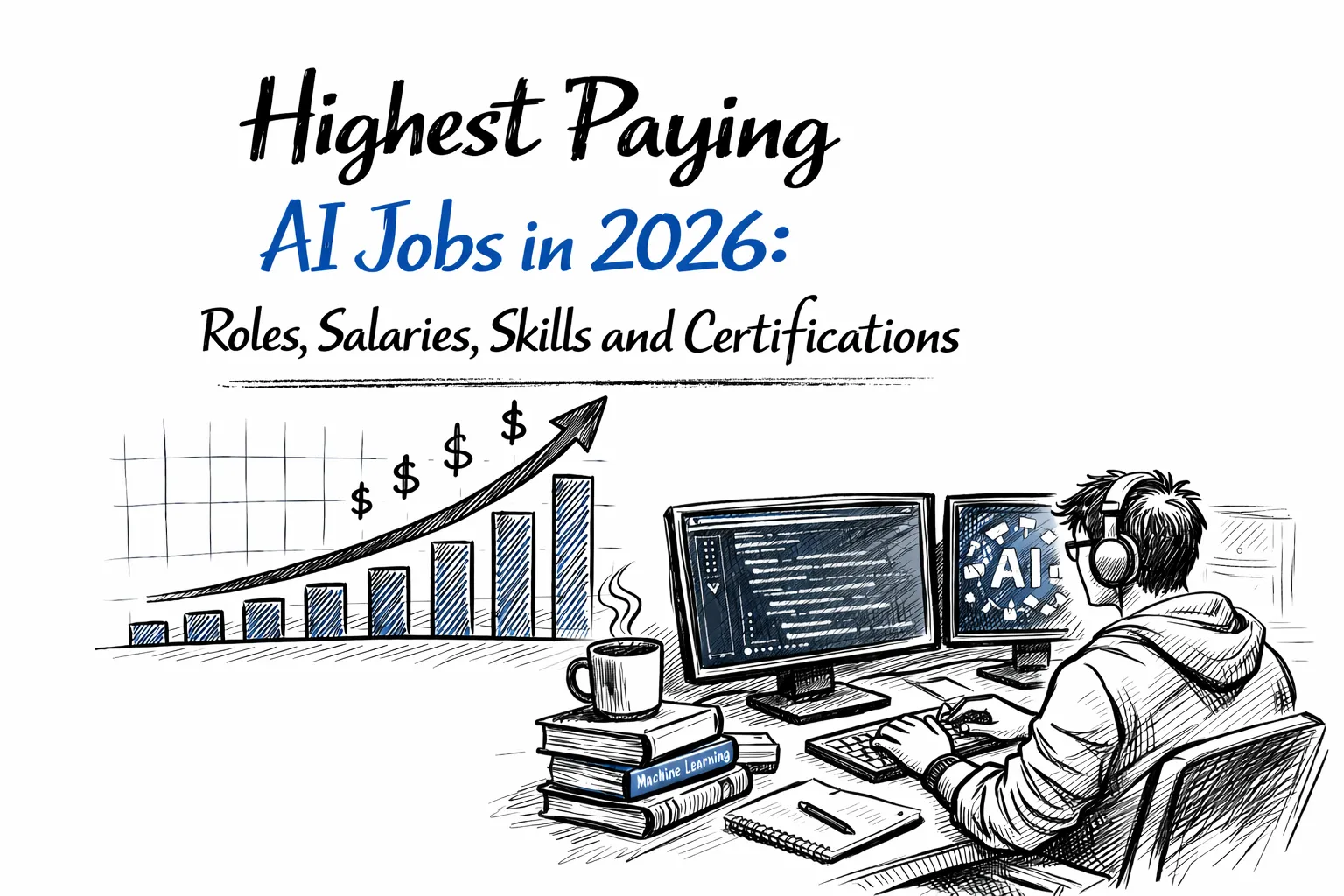
Highest Paying AI Jobs in 2026: Roles, Salaries, Skills and Certifications!
The highest paying AI jobs in 2026 are not just for researchers at elite labs anymore. Four of LinkedIn’s top […]
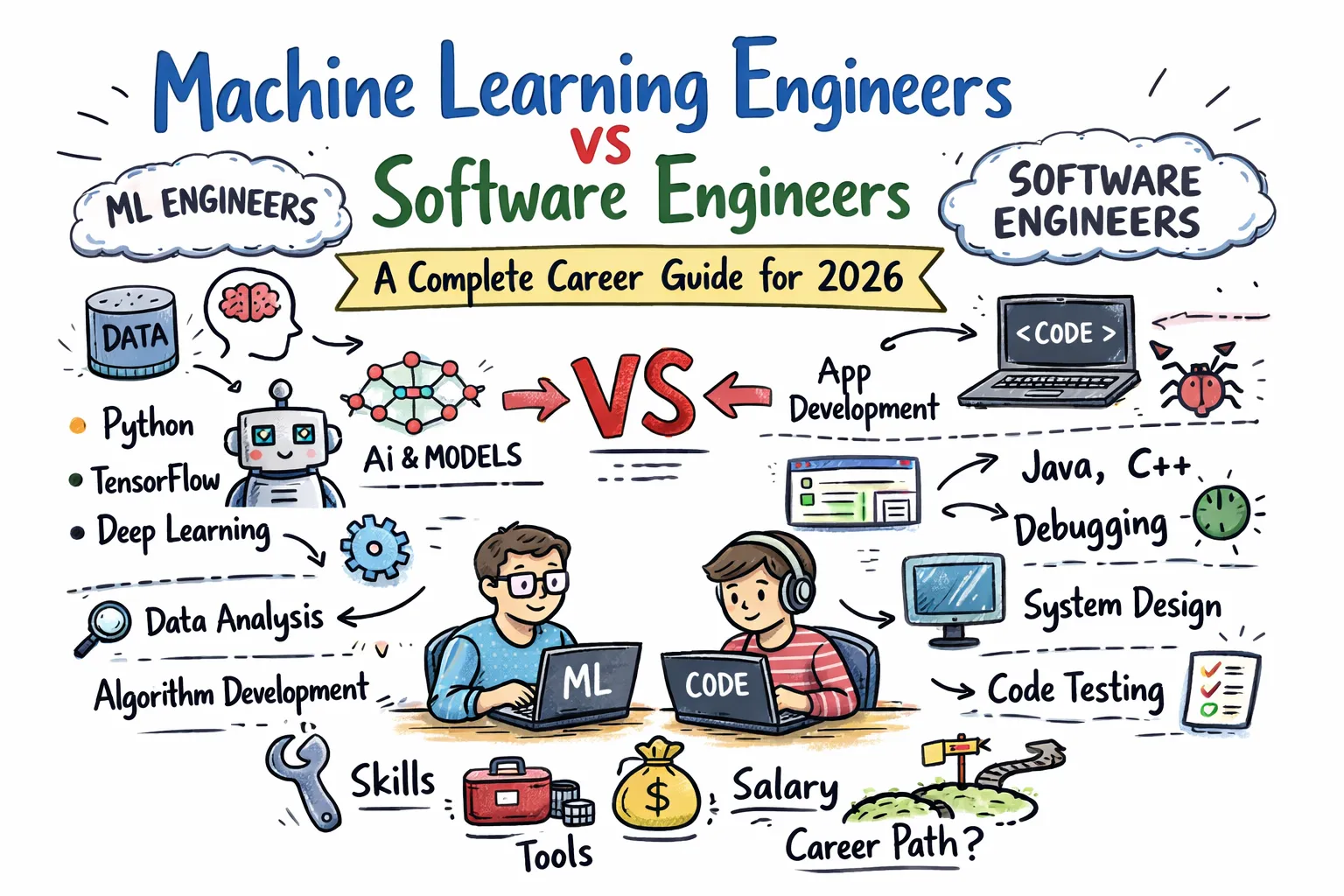
Machine Learning Engineers vs Software Engineers: A complete career guide for 2026
If you are planning to build a career in technology today, one of the most important decisions you will face […]

AI vs Software Engineers: hype, truth, and the future in 2026
Artificial intelligence has moved from being a futuristic concept to something developers use every single day. Whether it’s generating code, […]
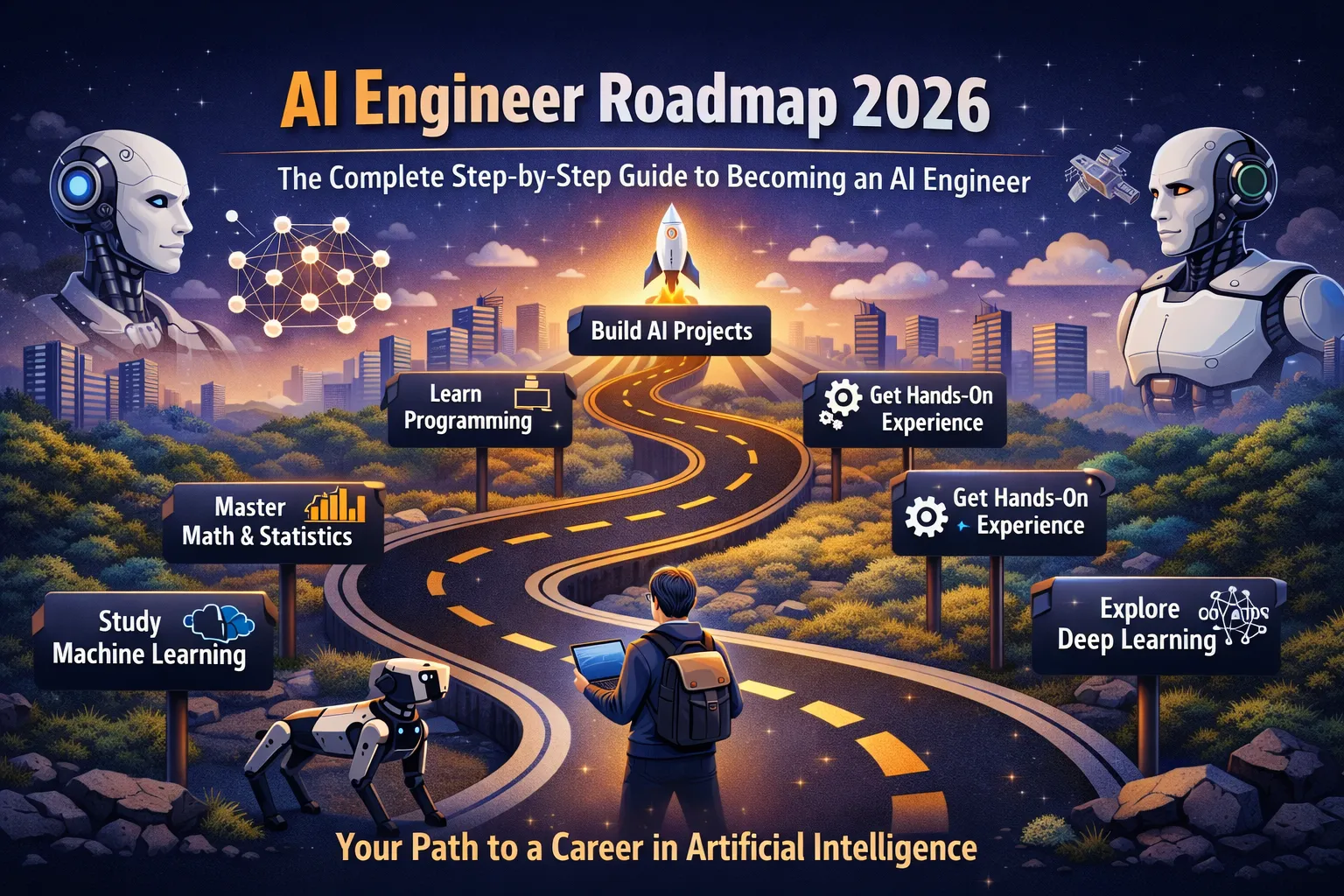
AI Engineer Roadmap 2026: The complete step-by-step guide to becoming an AI engineer
Artificial Intelligence is no longer a futuristic technology discussed only in research labs. In 2026, AI is powering search engines, […]
Things you probably wonder
What’s the difference between disaster recovery and business continuity?
Disaster recovery (DR) focuses on restoring IT infrastructure and data access after a disruption, such as a cyberattack or server crash. Business continuity (BC), on the other hand, is broader—it ensures your entire organization can continue essential operations during and after any type of interruption, including non-technical issues like power outages or supply chain disruptions.
How often should we test our disaster recovery plan?
Best practice recommends testing your DR plan at least once per quarter, or whenever significant changes occur in your IT environment. Regular testing ensures your recovery procedures remain effective, your team is familiar with the process, and any gaps are addressed proactively.
Can your service support both cloud and on-premise systems?
Yes. Flynaut’s disaster recovery and business continuity services are fully hybrid-compatible. We support recovery plans for cloud-native platforms (like AWS, Azure, Google Cloud), on-premise infrastructure, and hybrid environments with seamless data replication and failover capabilities.
How long does it take to set up a full DR/BC strategy?
Depending on the complexity of your IT systems and compliance requirements, implementation can take anywhere from 2 to 8 weeks. This includes assessment, planning, technology configuration, backup setup, and simulation testing. We provide a detailed project timeline after the initial consultation.
What happens if we don’t have a recovery plan in place?
Without a DR/BC strategy, your business faces significant risks including data loss, prolonged downtime, revenue impact, and legal non-compliance. In worst-case scenarios, the lack of preparedness can permanently damage your reputation and customer trust. Flynaut ensures you never reach that point.
Other Technology & Engineering Solutions
Our team delivers impressive results with expert execution. We’re here to help! Expect a prompt response within 24 hours.