Skip to content
The job market today is more competitive than it has ever been. Many candidates believe that having the right degree, certifications, or technical skills is enough to secure a job. While those factors matter, they are only part of the equation. Hiring managers evaluate candidates using a much broader set of criteria, most of which are not clearly listed in job descriptions.
Understanding what hiring managers truly look for can dramatically improve your chances of getting hired. This guide explains the hiring mindset in simple terms and walks you through the exact qualities, skills, and behaviors that hiring managers value most. Whether you are a student, a career switcher, or an experienced professional, this step-by-step explanation will help you prepare with clarity and confidence.
Understanding the Hiring Manager’s mindset
Hiring managers are not just filling an open role. They are making a decision that affects their team, project timelines, and business outcomes. A bad hire can slow down work, create conflict, and cost the company significant time and money. Because of this, hiring managers focus heavily on reducing risk.
From their perspective, the ideal candidate is someone who can do the job today and grow into a stronger contributor tomorrow. They look for signals that suggest reliability, adaptability, and long-term potential. This is why interviews often focus on behavior, communication, and problem-solving rather than just technical knowledge.
When you understand this mindset, interviews stop feeling random. Every question is designed to answer one core concern: “Can we trust this person to succeed in our environment?”
Why attitude often matters more than skills
One of the first things hiring managers notice is a candidate’s attitude. Skills can be taught, but attitude is much harder to change. A candidate who approaches challenges with curiosity, humility, and persistence immediately stands out.
Hiring managers pay close attention to how you respond when you do not know an answer. Do you panic, guess, or become defensive? Or do you calmly explain how you would find the solution? The second response signals maturity and growth potential.
A positive attitude also shows up in how candidates talk about past roles. Blaming managers, coworkers, or companies raises red flags. On the other hand, candidates who reflect honestly on lessons learned come across as self-aware and professional.
Demonstrating a learning mindset through examples of self-improvement, upskilling, or adapting to change makes hiring managers far more confident in your future performance.
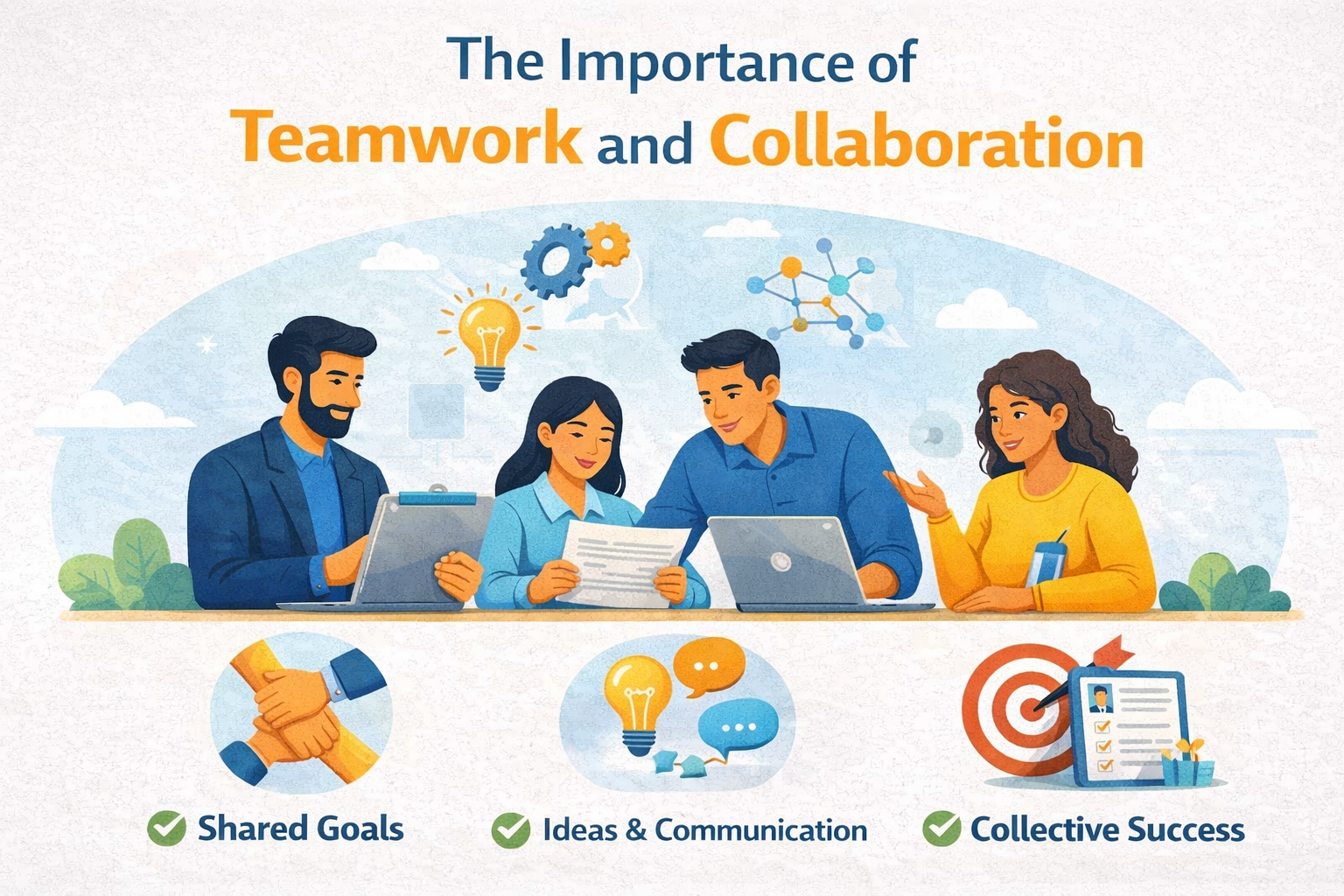
The importance of teamwork and collaboration
Most modern jobs require collaboration. Very few roles operate in isolation, especially in technology-driven organizations. Hiring managers want candidates who can work well with others, communicate clearly, and contribute to shared goals.
Teamwork is not just about being friendly. It is about reliability, accountability, and respect for different perspectives. Hiring managers often listen for how you describe working with teammates. If your answers focus only on individual achievements, they may question how well you function in a team setting.
Strong candidates explain how they contributed to group success, supported teammates, or resolved conflicts professionally. This reassures hiring managers that you will strengthen the team rather than disrupt it.
Cultural fit and why it matters
Cultural fit is often misunderstood. It does not mean that companies want everyone to think or act the same way. Instead, it refers to alignment with the organization’s values, communication style, and work expectations.
Hiring managers want to know whether you will thrive in their environment. Some teams value fast decision-making and autonomy, while others prioritize collaboration and structured processes. A candidate who understands and respects these differences is far more likely to succeed.
Team fit is even more specific. Hiring managers consider how your strengths complement existing team members. They look for balance rather than duplication. This is why two equally qualified candidates may receive different outcomes.
Researching the company’s mission, values, and work culture before interviews helps you answer questions more thoughtfully and ask better questions in return.
Communication skills as a hiring signal
Clear communication is one of the strongest indicators of professional effectiveness. Hiring managers evaluate how candidates explain ideas, respond to questions, and listen during conversations.
Good communication is not about using complex language. In fact, simplicity is often more impressive. Candidates who can explain complex ideas in clear, structured terms demonstrate strong thinking skills.
Storytelling plays a major role here. Hiring managers want to understand how you approach problems, not just the final outcome. When you explain situations logically and concisely, you make it easier for them to trust your judgment.
Strong communication also shows respect for others’ time, which is a highly valued trait in fast-paced work environments.
Business awareness and contextual thinking
Hiring managers increasingly value candidates who understand how their work connects to the bigger picture. This does not mean you need deep business expertise, but you should understand why your role exists and how it creates value.
Candidates who talk only about tasks and tools often seem limited. Those who explain how their work improved efficiency, user experience, or outcomes stand out immediately.
Showing interest in the company’s product, users, or market demonstrates genuine engagement. It also signals that you are thinking beyond your immediate responsibilities.
This business awareness reassures hiring managers that you will make decisions with impact in mind, not just technical correctness.
Preparation as a signal of professionalism
Preparation is one of the clearest signals of seriousness and reliability. Hiring managers notice when candidates have taken the time to understand the role and company.
Prepared candidates ask thoughtful questions, reference company initiatives, and connect their experience to the job requirements. This shows respect for the opportunity and reduces uncertainty for the interviewer.
Lack of preparation, on the other hand, suggests low motivation or poor attention to detail. Even strong candidates can lose opportunities simply because they did not prepare adequately.
Preparation does not require memorizing facts. It requires understanding context and being ready to engage meaningfully.
Adaptability and comfort with ambiguity
Work environments are rarely predictable. Hiring managers want candidates who can handle change without becoming overwhelmed. Adaptability is especially important in roles where priorities shift quickly.
Candidates who can describe how they navigated unclear requirements, changing deadlines, or unexpected challenges demonstrate resilience. Hiring managers value people who can create clarity rather than wait for perfect instructions.
This ability to function well in ambiguity often separates strong performers from average ones. It shows confidence, judgment, and emotional stability.
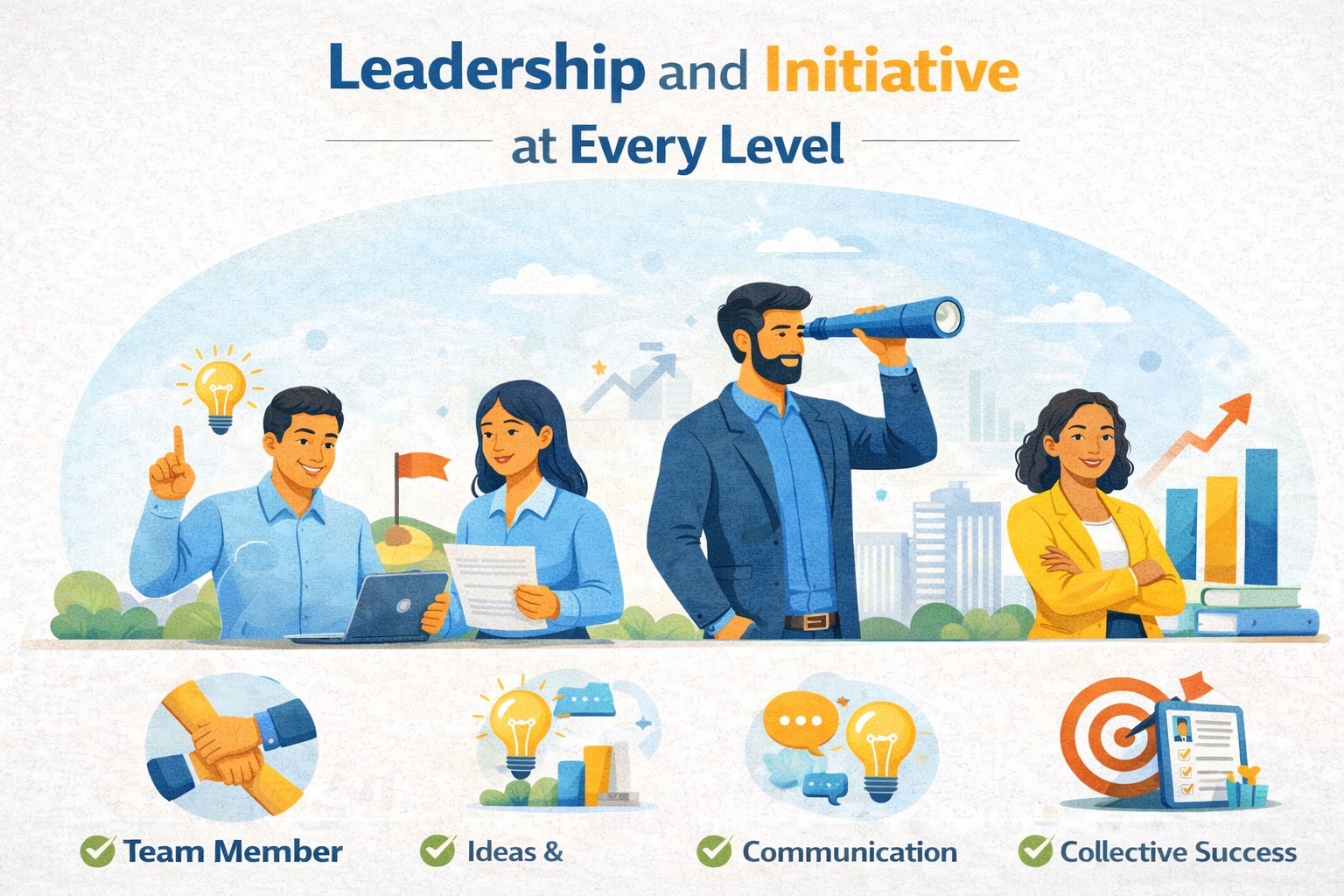
Leadership and initiative at every level
Leadership is not limited to managers or senior roles. Hiring managers look for initiative at all levels. This includes taking ownership, identifying problems, and proposing solutions without being asked.
Candidates who demonstrate initiative show that they care about outcomes, not just instructions. This mindset is highly valued because it reduces the need for constant supervision.
Even entry-level candidates can show leadership through examples of stepping up, improving processes, or supporting teammates. These behaviors suggest future leadership potential.
Continuous learning as a long-term indicator
Hiring managers think beyond immediate needs. They want people who will continue to grow as the role evolves. Continuous learning signals adaptability and long-term value.
Candidates who actively learn new skills, stay updated with industry trends, or pursue personal development show commitment to their careers. This reassures hiring managers that the investment in hiring and training you will pay off over time.
Learning does not have to be formal. Side projects, self-study, and curiosity-driven exploration all count when explained clearly.
How hiring expectations change with experience
While expectations vary by role, hiring managers adjust their evaluation based on experience level. Entry-level candidates are assessed more on potential and learning ability. Mid-level professionals are expected to demonstrate independence and problem-solving. Senior candidates are evaluated on system thinking, mentorship, and decision-making.
Despite these differences, clarity of thought, communication, and professionalism remain constant across all levels. These qualities form the foundation of trust.
Final thoughts: Becoming the candidate hiring managers trust
Hiring managers are not searching for perfect candidates. They are looking for people they can rely on, collaborate with, and grow alongside. Skills matter, but mindset and behavior often determine who gets hired.
When you understand what hiring managers look for, interviews become less intimidating and more strategic. You stop trying to impress and start demonstrating value naturally.
Focus on clarity, preparation, adaptability, and learning. These qualities consistently set candidates apart and open doors to long-term career success.
Ready to advance your tech career?
Whether you’re preparing for FAANG interviews, improving coding strength, or mapping a long-term career plan, our expert mentors are here to guide you step by step.
Schedule Your 1:1 Consultation Now.
Frequently Asked Questions (FAQ)
What do hiring managers look for most in candidates?
Hiring managers look for a combination of skills, attitude, and reliability. While technical ability is important, they place equal or greater value on problem-solving skills, communication, adaptability, and the ability to work well with others. Most hiring decisions are based on whether a candidate can be trusted to perform consistently, learn quickly, and contribute positively to the team over time.
Are technical skills more important than soft skills?
Technical skills are necessary to qualify for a role, but soft skills often determine who gets hired. Hiring managers can teach tools and technologies, but they cannot easily teach attitude, accountability, or communication. Candidates who demonstrate strong collaboration, clear thinking, and openness to feedback usually have a significant advantage, even if they are not the most technically advanced applicants.
How do hiring managers evaluate candidates during interviews?
Hiring managers evaluate candidates by listening to how they explain their thinking, respond to uncertainty, and describe past experiences. They look for structured answers, honest reflection, and clarity of communication. Behavioral questions are used to predict future performance based on past actions, while technical or role-specific questions assess readiness for the job.
What mistakes do candidates make that hurt their chances?
Common mistakes include poor preparation, unclear answers, blaming others for past problems, and focusing only on technical details without explaining impact. Hiring managers are also cautious of candidates who appear inflexible, uninterested in learning, or unable to explain their work clearly. Even strong resumes can be overlooked if these red flags appear during interviews.
How important is cultural fit in the hiring process?
Cultural fit is very important because it affects long-term success. Hiring managers want candidates who align with the company’s values, communication style, and work expectations. This does not mean everyone must be the same, but candidates should be comfortable with how decisions are made and how teams operate. Poor cultural fit often leads to early attrition, which companies try to avoid.
What does “team fit” mean to hiring managers?
Team fit refers to how well a candidate complements the existing team’s skills, personalities, and working styles. Hiring managers consider whether you will strengthen collaboration, balance skill gaps, and work effectively with current team members. A candidate who enhances team dynamics is often preferred over someone who is individually strong but difficult to work with.
How can entry-level candidates impress hiring managers?
Entry-level candidates impress hiring managers by showing curiosity, preparation, and a willingness to learn. Clear communication, thoughtful questions, and honest explanations of how they approach problems matter more than knowing every answer. Demonstrating effort, consistency, and a growth mindset helps hiring managers see long-term potential.
What do hiring managers expect from senior or experienced candidates?
For senior candidates, hiring managers expect strong judgment, ownership, and the ability to think beyond individual tasks. They look for experience with decision-making, mentoring others, and handling complex problems. Communication and leadership skills become increasingly important at higher levels, along with the ability to align technical work with business goals.
How can candidates prepare effectively for interviews?
Effective preparation includes understanding the role, researching the company, and reviewing relevant experiences. Candidates should be ready to explain their work clearly, discuss challenges they faced, and describe what they learned. Preparing examples that show adaptability, teamwork, and impact helps hiring managers assess fit more confidently.
Do hiring managers value continuous learning?
Yes, continuous learning is a strong positive signal. Hiring managers prefer candidates who actively improve their skills and stay current with industry changes. This shows adaptability and long-term value. Learning can include courses, certifications, self-study, side projects, or practical experience, as long as the candidate can explain how it contributes to their growth.
What ultimately makes a candidate stand out?
A candidate stands out when they combine competence with clarity, humility, and reliability. Hiring managers remember candidates who communicate well, think logically, and show genuine interest in the role. Consistency, preparation, and a professional attitude often matter more than trying to appear perfect.
For candidates seeking structured mentorship, interview-focused preparation, guided learning paths, free resources, mock interviews and structured courses available at https://everyonewhocode.com/