Skip to content
Cracking the tech interview is one of the biggest challenges for anyone trying to build or grow a career in technology in 2026. Candidates apply for software engineering, IT, and developer roles for top tech and FAANG companies, yet only a small percentage make it through the interview process. This often creates the false belief that tech interviews are designed only for “genius programmers” or people from top universities. In reality, that belief is incorrect.
Most candidates fail tech interviews not because they lack intelligence or potential, but because they prepare in an unstructured and inefficient way. They focus too much on memorizing solutions, solving random coding problems, or copying preparation strategies that do not match real interview expectations. This guide exists to change that.
This article explains how to crack the tech interview step by step, using proven methods that work across companies, roles, and experience levels. Whether you are a student, a fresher, a self-taught developer, or an experienced engineer preparing for better opportunities, this guide will help you understand what interviewers actually look for and how to prepare the right way.
This guide is based on real interview preparation experience, working closely with aspiring developers, fresh graduates, and experienced engineers preparing for technical interviews across product-based companies and startups. The strategies shared here reflect what consistently works in real interviews, not just theory or memorized solutions.
Understanding about a tech interview
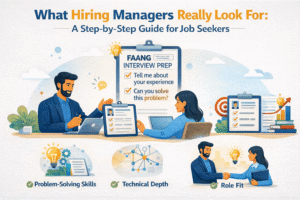
A tech interview is not just a test of how many coding problems you can solve. It is a structured evaluation process used by companies to determine whether a candidate can think logically, solve real-world problems, communicate clearly, and work effectively in a professional environment.
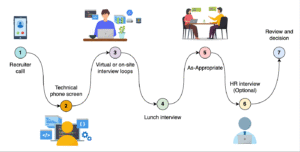
Most tech interviews follow a similar structure. The process usually starts with resume screening, followed by an online coding assessment. Candidates who perform well move on to one or more technical interview rounds, which may include live coding and problem-solving discussions. For mid-level and senior roles, system design interviews are often included. Finally, there is almost always a behavioral or HR round to evaluate communication skills, teamwork, and cultural fit.
To crack the tech interview, you must prepare for all of these stages together. Focusing only on coding while ignoring behavioural interview, communication, or system design is one of the most common reasons candidates fail.
Why so many candidates fail tech interviews
One of the biggest mistakes candidates make is assuming that solving more problems automatically leads to success. Many people spend months grinding hundreds of coding questions but still struggle in interviews. This happens because interviews are not about memorization. They are about understanding concepts and explaining your thinking clearly.
Another common reason candidates fail is poor communication. Even when the solution is correct, interviewers often reject candidates who cannot explain their approach or who panic under pressure. Weak resumes also play a major role. Many skilled developers never get interview calls because their resumes do not clearly show their skills, projects, or impact.
Finally, many candidates completely ignore mock interviews. Real interview pressure feels very different from practicing alone. Without mock interviews, candidates are often unprepared for time constraints, follow-up questions, and live problem-solving discussions.
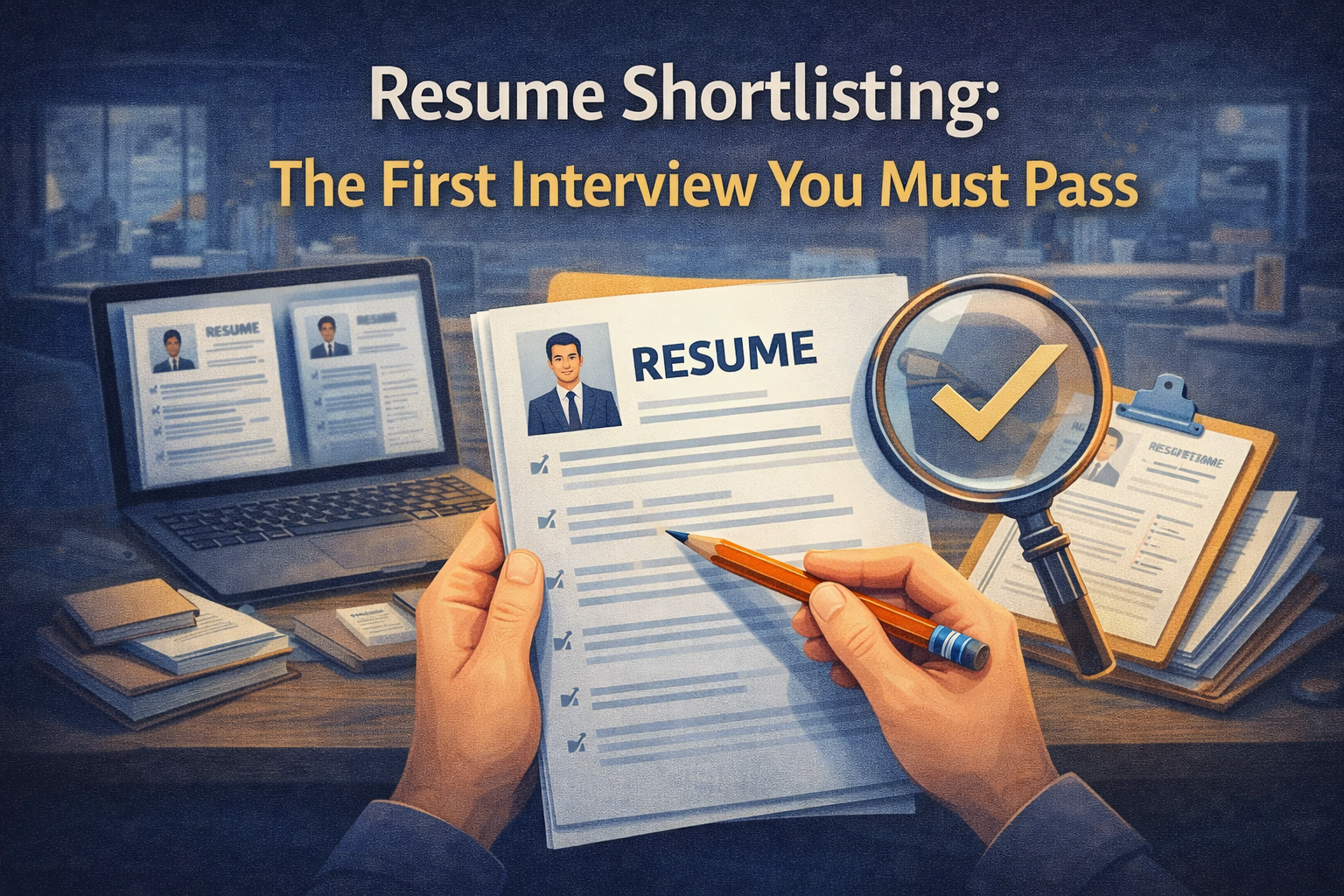
Resume shortlisting: The first interview you must pass
Before you ever speak to an interviewer, your resume decides whether you get a chance. Recruiters spend only a few seconds scanning each resume, so clarity and relevance matter more than length or fancy design.
A strong tech resume clearly highlights your technical skills, projects, and achievements. It shows what technologies you have used and what problems you have solved. It avoids long paragraphs and focuses on impact rather than responsibilities. A resume that simply lists tools without context is unlikely to get shortlisted.
This is where many candidates struggle, especially beginners. Learning how to structure a resume specifically for tech interviews can significantly increase your chances of getting calls.
Learn how to build an interview-ready tech resume.
Find the link here – https://everyonewhocode.com/google-interview-guide/
Coding assessments and how to prepare for them properly
Once your resume is shortlisted, the next step is usually an online coding assessment. These tests evaluate your understanding of data structures and algorithms, as well as your ability to write correct and efficient code under time constraints.
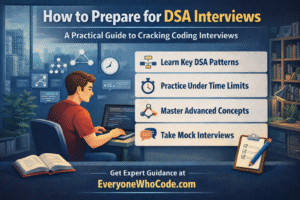
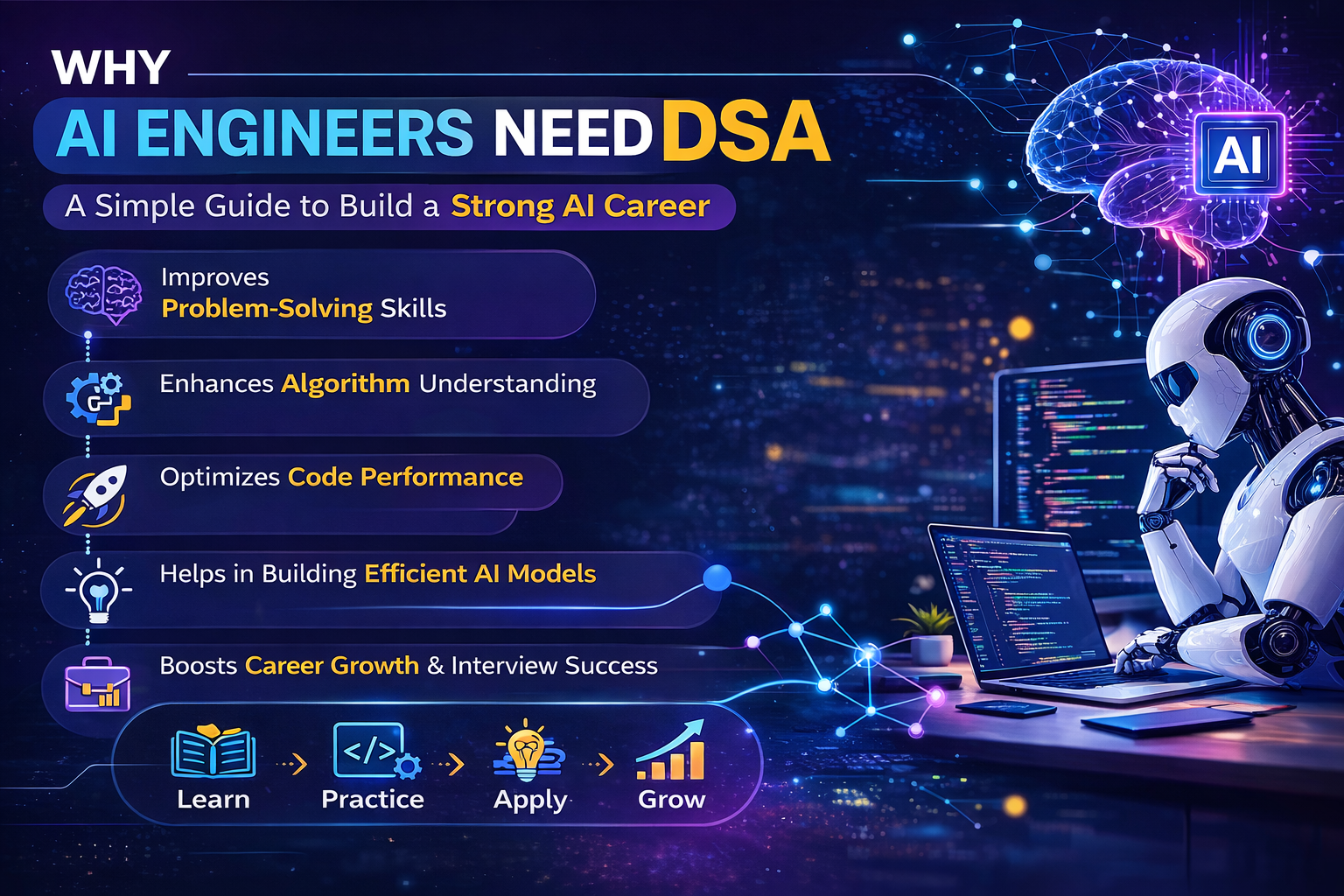
To crack the coding interview, it is important to focus on core DSA concepts rather than random problems. Arrays, strings, linked lists, stacks, queues, trees, graphs, and dynamic programming form the foundation of most interview questions. However, understanding patterns is more important than memorizing answers.
When practicing, always ask yourself why a solution works and how it can be optimized. Try to explain your solution out loud, as if you were in an interview. This builds the habit of clear communication, which interviewers value highly.
At this stage, it is helpful to follow a structured learning path instead of guessing what to practice next. We have a structured DSA interview preparation roadmap to learn for interviews.
Find the link here – https://everyonewhocode.com/services/mastering-data-structures-algorithms/
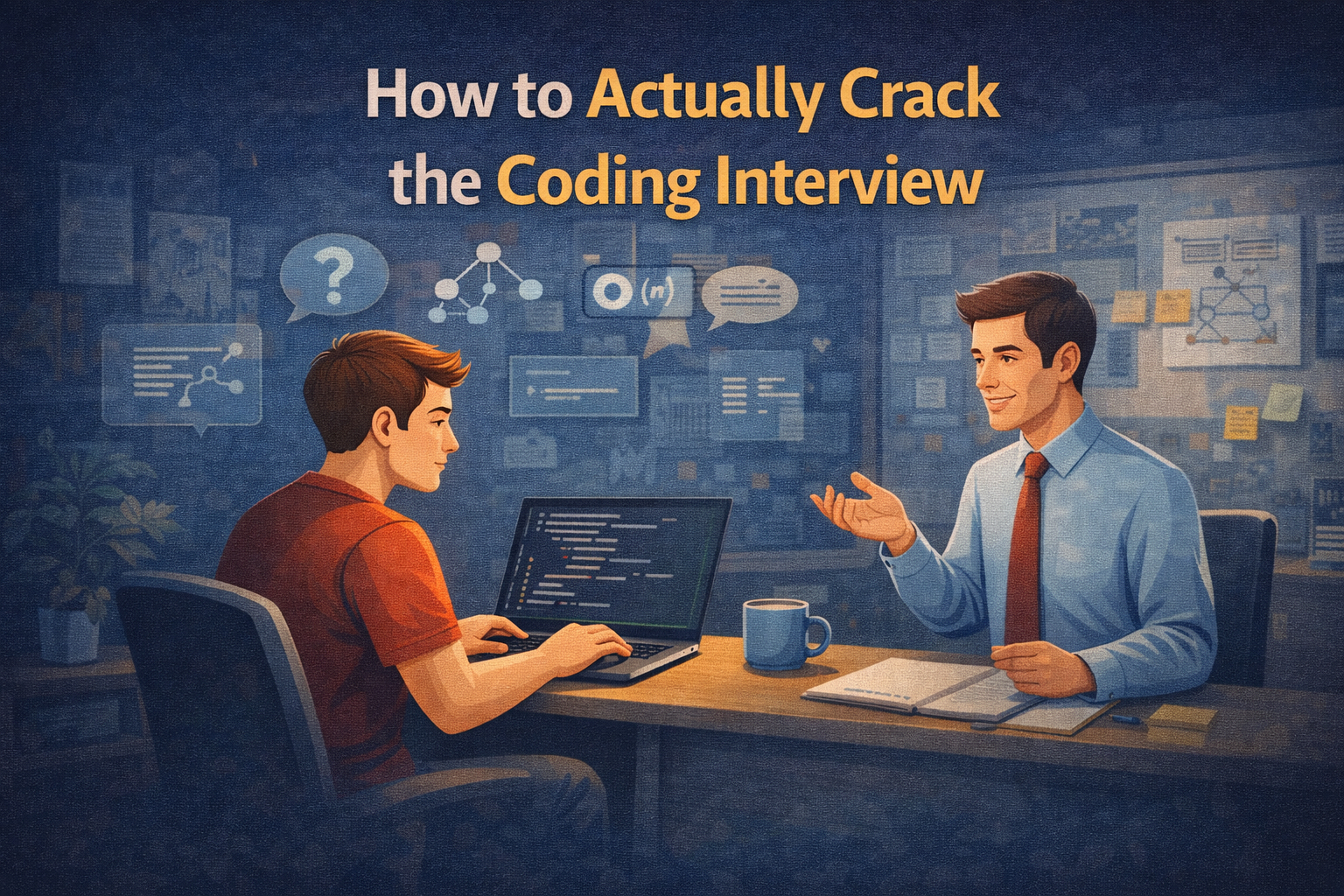
How to actually crack the coding interview
During live coding interviews, interviewers are not only evaluating whether your code works. They are watching how you approach the problem. They want to see how you break down requirements, handle edge cases, and improve your solution step by step.
A strong candidate starts by clarifying the problem and confirming assumptions. They discuss a simple approach before jumping into optimization. They write clean, readable code and explain each step as they go. After coding, they analyze time and space complexity and discuss possible improvements.
Even if you do not reach the most optimal solution, demonstrating structured thinking and good communication can still lead to a positive outcome. Many candidates underestimate how important this is.
System Design Interviews: Thinking beyond code
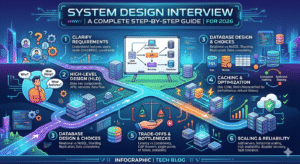
For mid-level and senior roles, system design interviews play a major role. These interviews test your ability to design scalable, reliable systems rather than write code line by line.
System design questions often involve designing real-world applications such as chat systems, file storage platforms, or URL shorteners. Interviewers are interested in how you handle scalability, data storage, performance, and trade-offs. There is rarely a single correct answer.
Candidates who succeed in system design interviews clearly explain their assumptions, ask thoughtful questions, and break the problem into components. They discuss trade-offs honestly and show awareness of real-world constraints.
This is another area where structured learning makes a huge difference. Learn system design interviews step by step – Find link here https://everyonewhocode.com/mastering-system-design/
Behavioral Interviews: The silent deal-breaker
Behavioral interviews are often underestimated, yet they can easily decide the final outcome. Companies use these interviews to understand how you work with others, handle challenges, and communicate under pressure.
Interviewers often ask about past experiences, conflicts, failures, and successes. The best way to answer these questions is by using clear storytelling. Explaining the situation, your role, the actions you took, and the results helps interviewers understand your thinking and maturity.
Candidates who prepare behavioral answers in advance appear more confident and genuine. This preparation is just as important as technical practice.
Why Mock interviews are essential
Mock interviews are one of the most effective yet overlooked tools in interview preparation. They simulate real interview pressure and help you identify weaknesses that you may not notice when practicing alone.
Through mock interviews, candidates improve their communication, timing, and confidence. They learn how to think out loud and respond to follow-up questions. Most importantly, they become comfortable with the interview environment.
Practice real mock tech interviews with Sr FAANG Engineers.
Find link here – https://everyonewhocode.com/services/mock-interviews/
A Practical preparation timeline that works
Cracking the tech interview does not require endless hours of study. What matters is consistency and direction. A realistic preparation plan spread across a few months is far more effective than last-minute cramming.
In the early phase, focus on fundamentals and resume quality. In the middle phase, deepen your DSA and system design knowledge while starting mock interviews. In the final phase, refine your skills, practice company-specific questions, and polish behavioral answers.
This balanced approach helps reduce stress and builds confidence over time.
Final thoughts: You can crack the tech interview
Cracking the tech interview is not about being perfect. It is about being prepared, structured, and confident. Interviewers are not looking for flawless candidates. They are looking for people who can learn, think clearly, and communicate effectively.
If you focus on fundamentals, practice with intention, and prepare holistically, you greatly increase your chances of success. Thousands of candidates crack tech interviews every year by following these principles, and you can too.
The journey may feel challenging, but with the right guidance and preparation strategy, cracking the tech interview is absolutely achievable.
Frequently asked questions about cracking the tech interview
What is the best way to crack the tech interview?
The best way to crack the tech interview is to prepare in a structured and balanced way. This means building strong fundamentals in data structures and algorithms, practicing problem-solving with clear explanations, preparing for system design if required, and improving communication skills. Candidates who also practice mock interviews and understand the interview process from start to finish have a much higher success rate.
How long does it take to prepare for a tech interview?
For most candidates, it takes around two to three months of consistent preparation to crack a tech interview. Beginners may need more time, while experienced developers may need less. The key factor is not the number of hours per day, but whether the preparation is focused on fundamentals, patterns, and real interview practice rather than random problem-solving.
Can a beginner crack a technical interview?
Yes, beginners can absolutely crack a technical interview. Many companies hire freshers and entry-level developers every year. What matters most is a clear understanding of core concepts, basic data structures, problem-solving ability, and good communication. Beginners who follow a structured preparation plan and practice explaining their thinking often perform better than candidates who rely only on memorization.
Check our success stories here – https://everyonewhocode.com/
Is DSA enough to crack the tech interview?
Data structures and algorithms are essential, but they are not enough on their own. To crack the tech interview, you also need strong communication skills & storytelling, basic system design knowledge for some roles, and preparation for behavioral interviews. Many candidates fail despite strong DSA skills because they ignore these other areas.
What coding topics are most important for tech interviews?
The most important coding topics for tech interviews include arrays, strings, linked lists, stacks, queues, trees, hash tables, recursion, graphs, and dynamic programming. Interviewers usually focus more on how well you understand these concepts and apply them to solve problems rather than how many problems you have solved.
How important are mock interviews for cracking the tech interview?
Mock interviews are extremely important. They help you get comfortable with interview pressure, improve your communication, and identify weak areas. Candidates who practice mock interviews are usually more confident and perform better in real interviews. Mock interviews often make the difference between rejection and selection.
Practice real mock tech interviews with Sr FAANG Engineers.
Find link here https://everyonewhocode.com/services/mock-interviews/
What do interviewers look for besides correct answers?
Interviewers look for clear thinking, problem-solving approach, communication skills, and the ability to explain decisions. They want to see how you handle edge cases, optimize solutions, and respond to feedback. Even if your solution is not perfect, a strong approach and clear explanation can still lead to a positive outcome.
How do I prepare for behavioral interviews in tech?
To prepare for behavioral interviews, reflect on your past experiences related to teamwork, challenges, failures, and learning moments. Practice explaining these experiences clearly using simple storytelling. Being honest, structured, and calm during behavioral interviews is more important than giving “perfect” answers.
Do I need system design interviews for all tech roles?
System design interviews are usually required for mid-level and senior roles, but some companies also ask basic system design questions for junior roles. Even a basic understanding of scalability, databases, and APIs can help you stand out. Preparing system design concepts early makes future interviews much easier.
Learn system design interviews step by step – Find link here https://everyonewhocode.com/mastering-system-design/
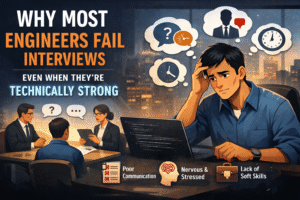
Why do candidates with good skills still fail tech interviews?
Candidates with good skills often fail tech interviews due to poor communication, lack of structured thinking, weak resumes, or nervousness under pressure. Many also fail because they prepare without a clear plan. Interview success depends on how well you demonstrate your skills, not just whether you have them.
Is it possible to crack the tech interview without LeetCode?
Yes, it is possible to crack the tech interview without relying heavily on LeetCode, as long as you understand core concepts and practice problem-solving effectively. LeetCode is a useful tool, but it is not mandatory. What matters is understanding patterns, writing clean code, and explaining your approach clearly.
What is the biggest mistake candidates make in tech interview preparation?
The biggest mistake is preparing without direction. Solving random problems, memorizing solutions, or ignoring communication and mock interviews leads to poor results. Candidates who follow a structured roadmap and focus on understanding rather than memorization are far more successful.